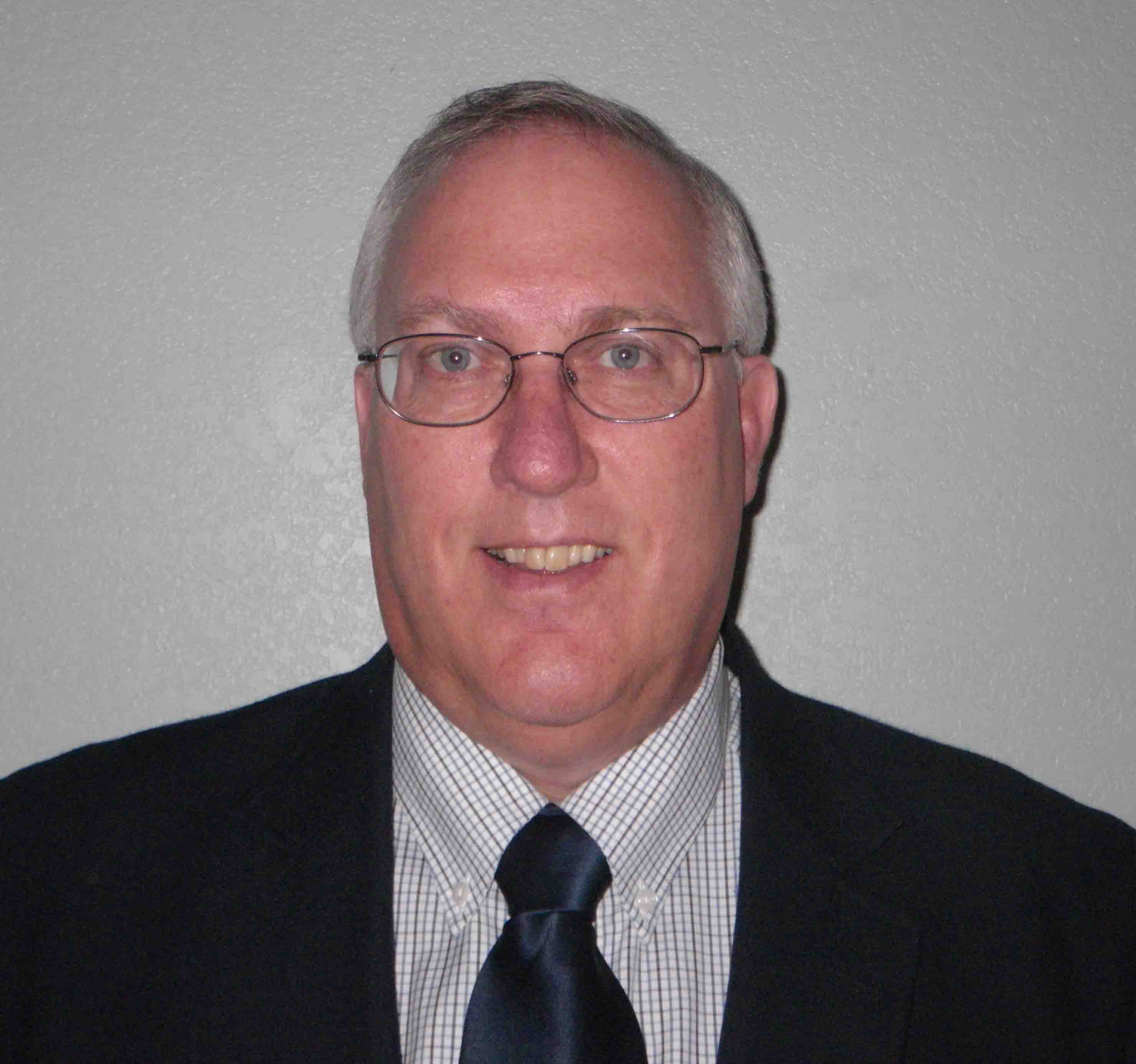
 Tom Bratton is an independent geoscience consultant with
48+ years of industry experience, integrating petrophysics, rock physics,
geophysics, and geomechanics to solve complex subsurface problems for drilling,
completion, and reservoir engineering operations. Former Schlumberger
Scientific Advisor (36 years), leading global acoustics and geomechanics
communities. PhD in Geophysics from Colorado School of Mines (2018), with a
dissertation on stress-induced elastic wave anisotropy. Visiting Professor
and Research Associate, Petroleum Engineering, CSM. Active researcher on
DOE-funded CO2 storage and monitoring projects. He is also a Texas
Licensed Professional Geoscientist.
Tom Bratton is an independent geoscience consultant with
48+ years of industry experience, integrating petrophysics, rock physics,
geophysics, and geomechanics to solve complex subsurface problems for drilling,
completion, and reservoir engineering operations. Former Schlumberger
Scientific Advisor (36 years), leading global acoustics and geomechanics
communities. PhD in Geophysics from Colorado School of Mines (2018), with a
dissertation on stress-induced elastic wave anisotropy. Visiting Professor
and Research Associate, Petroleum Engineering, CSM. Active researcher on
DOE-funded CO2 storage and monitoring projects. He is also a Texas
Licensed Professional Geoscientist.
ABSTRACT: Dipole sonic logs feed nearly every quantitative geoscience workflow — shear slowness, anisotropy, and full-waveform attributes flow directly into rock physics models, geomechanical earth models, seismic ties, and completion design. When the data are compromised, the errors rarely announce themselves. They propagate quietly into integrated results, where they are far harder to detect and correct.
Complications fall into four categories: tool-related (noise, transducer imbalance), environment related (borehole washout, mud property variation, tool motion), processing-related (modeldependent velocity and anisotropy inversions), and interpretation-related (waveform dispersion, stress-induced and intrinsic anisotropy, invasion, formation alteration, relative dip, thin beds). Each category introduces distinct artifacts — and distinct diagnostic signatures. The borehole geophysicist who can identify and communicate these issues early can prevent costly downstream misinterpretation.
This presentation introduces a systematic workflow for in-depth waveform analysis that diagnoses these complications at the source. Case examples from varied borehole environments demonstrate the diagnostic approach in practice. The goal: give the community a shared diagnostic vocabulary and a systematic QC framework applicable across tool platforms and formation types.